LESSONS FROM THE HORMUZ OIL TANKER INCIDENT: IMPLICATIONS FOR VIETNAM’S MARINE OIL SPILL PREPAREDNESS
From a Maritime Accident to the Risk of Marine Pollution
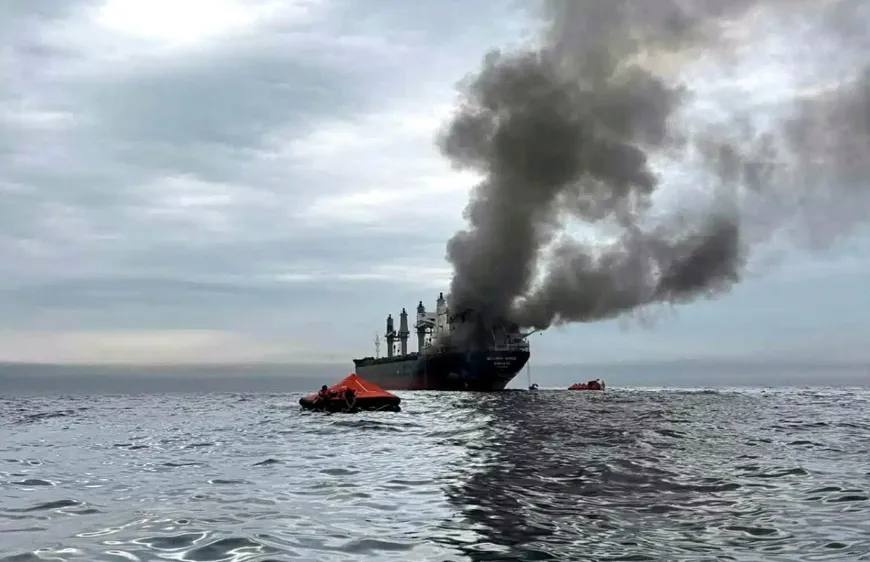
On September 14, 2026, Iran’s Islamic Revolutionary Guard Corps (IRGC) reported that an oil tanker exploded after striking a naval mine while transiting the southern route of the Strait of Hormuz. According to reports by VietnamPlus, at the time the information was released, the vessel’s nationality remained unknown, and there was insufficient data regarding the incident’s environmental impact.
The Strait of Hormuz is one of the world’s most critical energy shipping lanes. Approximately 20% of globally transported seaborne oil along with vast quantities of liquefied natural gas (LNG) and other commodities passes through this strategic passage.
While an oil spill has not yet been confirmed, this situation highlights a specific risk inherent to maritime oil transport: a single accident can simultaneously necessitate search-and-rescue operations and maritime safety measures, while also demanding urgent action to prevent and respond to environmental pollution.
Once oil is released into the sea, its rate of spread is dictated by wind, waves, currents, oil type, and local environmental conditions. If not brought under control quickly, the oil slick can drift rapidly from the initial spill site, reaching coastlines, sensitive ecosystems, aquaculture zones, and vital coastal economic infrastructure.
In Vietnam, the regulatory framework for oil spill response is governed by Decision No. 04/2026/QD-TTg (dated January 23, 2026, and effective from February 10, 2026). This Decision promulgated new regulations on oil spill response operations, officially superseding Decision No. 12/2021/QD-TTg and Decision No. 24/2025/QD-TTg.
The updated regulations categorize response operations into 3 distinct levels: Facility, provincial, and national. At the facility level, the facility owner is responsible for organizing and commanding their own personnel, vehicles, and equipment or contracted response teams to execute the response. If an incident exceeds the facility’s internal capacity, escalation protocols and resource mobilization at the provincial level are triggered.
This structured approach demonstrates that marine oil spill response is not the sole responsibility of any single entity. Instead, it requires a synchronized, coordinated effort involving shipowner, maritime authorities, regulatory agencies, and specialized response units.
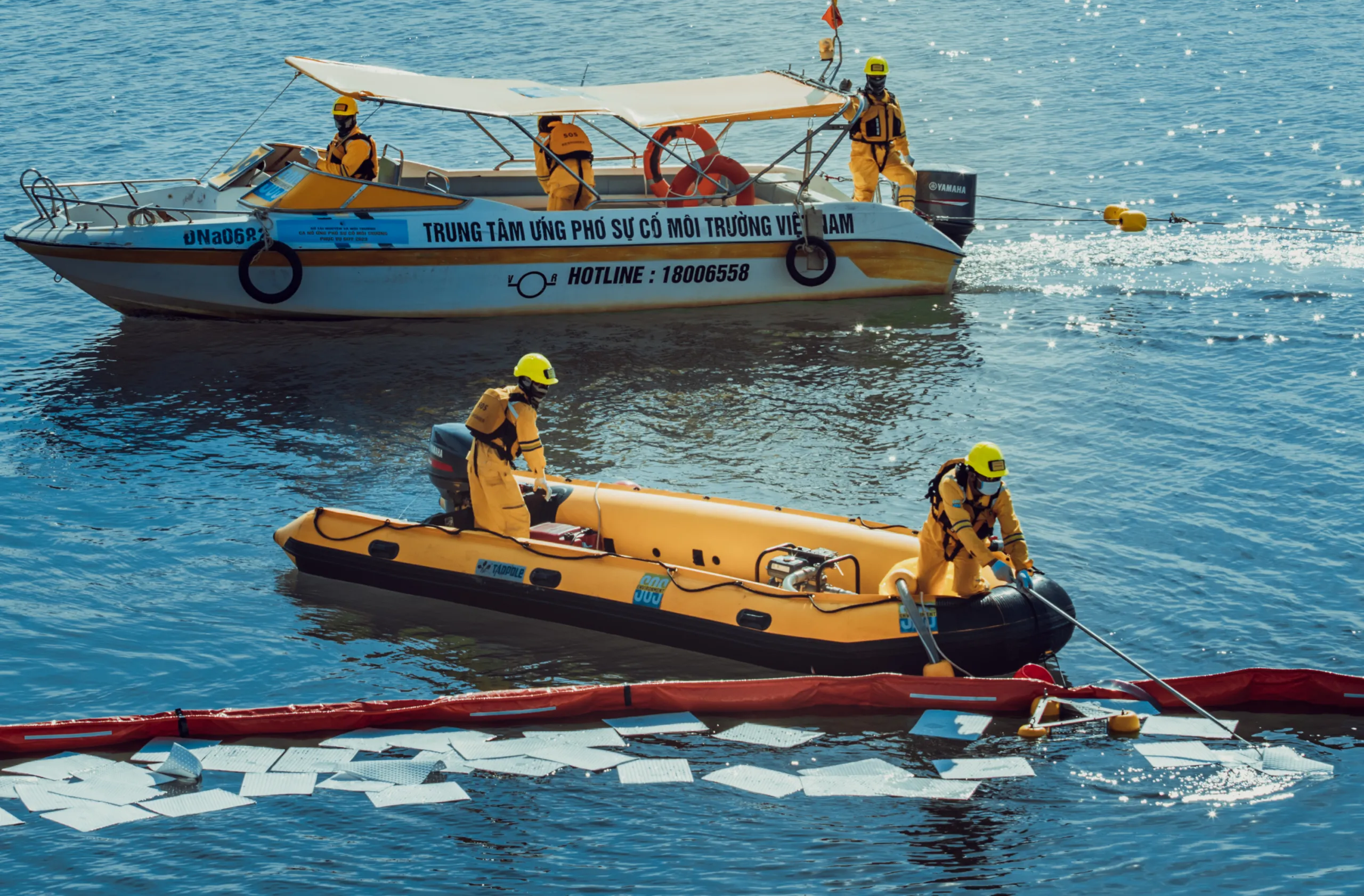
A crucial lesson drawn from global maritime incidents such as the one in the Strait of Hormuz is that success relies not just on post-accident response, but more importantly, on the level of preparedness built prior to the event.
In Vietnam, this effort must begin with comprehensive hazard identification across seas, ports, storage terminals, and shipping lanes. It requires developing response plans tailored to specific regional conditions, maintaining personnel and equipment in constant readiness, and conducting regular training drills with clearly defined escalation mechanisms for large-scale emergencies.
For SOS, this represents a consistent operational philosophy: spanning from strategic planning and training exercises to resource readiness and direct on-site response. Ultimately, in an offshore oil spill, the time elapsed between the initial discharge and the arrival of response teams can decisively dictate the extent of environmental spread and the severity of the damage. The earlier the preparation, the greater our ability to proactively mitigate the impact.
Source: https://www.vietnamplus.vn/tau-cho-dau-phat-no-sau-khi-va-phai-thuy-loi-o-eo-bien-hormuz-post1136183.vnp
 Environmental news
07/11/2026
POLLUTION CONTROL AT SOURCE: AN IMPERATIVE DEMAND FROM INCIDENT RESPONSE PRACTICE
In environmental protection, remediating pollution after contaminants have widely dispersed is vastly more difficult and costly than controlling them directly at the source. Drawing from years of hands-on experience in environmental incident response, Mr. Pham Van Son – General Secretary of the Vietnam Association for Conservation of Nature and Environment (VACNE) and Director of the […]
 Environmental news
04/11/2026
BA SON CORPORATION AND VIETNAM ENVIRONMENTAL INCIDENT RESPONSE CENTER: PROACTIVE PREVENTION AND MAINTENANCE OF OIL SPILL RESPONSE CAPABILITIES
Industrial manufacturing, ship building, ship repair, mechanical fabrication, machinery and equipment operations, as well as maritime services, all harbor inherent risks of environmental incidents, including oil spills. Given the diverse nature of its operations, ensuring safety and environmental protection remains a top priority for Ba Son Corporation throughout its production and operational management. The SOS […]
 Environmental news
03/11/2026
ACCIDENTS IN UNDERGROUND FUEL TANKS: THE ROLE OF OCCUPATIONAL SAFETY IN INCIDENT PREVENTION
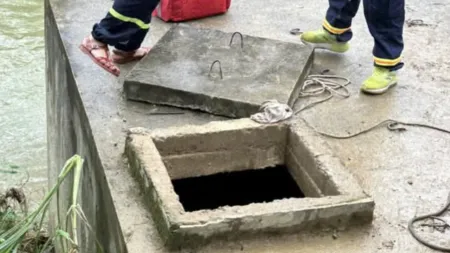
According to information published by VnExpress, during the dismantling and installation of a vapor suction pipe at Gas Station No. 9 on Le Ngo Cat Street, one of the pipes fell into the underground fuel tank. A worker descended into the tank to retrieve the pipe and showed signs of asphyxiation. A colleague who subsequently […]