An effective response plan starts with the facility’s real conditions
When an incident occurs, a business must know who is in command, which teams participate, where equipment is located, which plan to activate and how to coordinate with relevant organizations.
SOS advises on developing, reviewing and updating incident response plans, converting legal requirements into plans that can be implemented in practice.
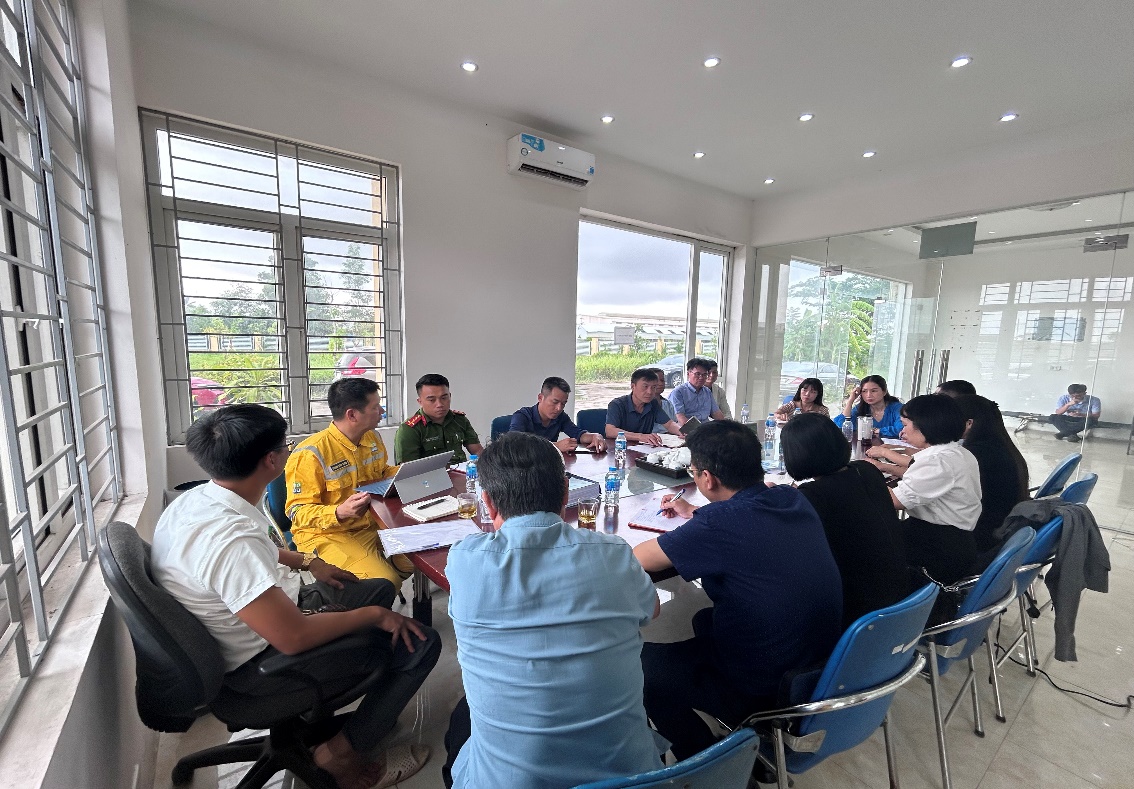
Plans built from actual conditions
SOS surveys, collects information and assesses operations, technology, scale, pollutant sources, risk areas, terrain, hydrology, sensitive areas, available resources and coordination capacity.
Based on this assessment, the plan defines suitable scenarios, command arrangements, responsibilities, communications procedures and coordination measures.
Advice matched to the plan type and authority
For oil spill response plans, SOS provides advice under current regulations, including Decision No. 04/2026/QD-TTg and its Appendix II outline for facility- and project-level plans.

For chemical incidents, documentation is advised under the current chemical safety framework and the procedure applicable to each case. An oil spill response plan must not replace chemical safety documentation.
SOS services
- Surveying and collecting facility information and data.
- Assessing risks and incident scenarios.
- Defining response forces, command, communications and coordination.
- Developing and completing the plan dossier.
- Reviewing and updating existing plans.
- Supporting explanations and dossier completion during appraisal within the agreed scope.
- Guiding plan implementation after approval.
After the plan is developed, SOS can support team training, operating procedures, equipment checks and exercises so the plan becomes operational.
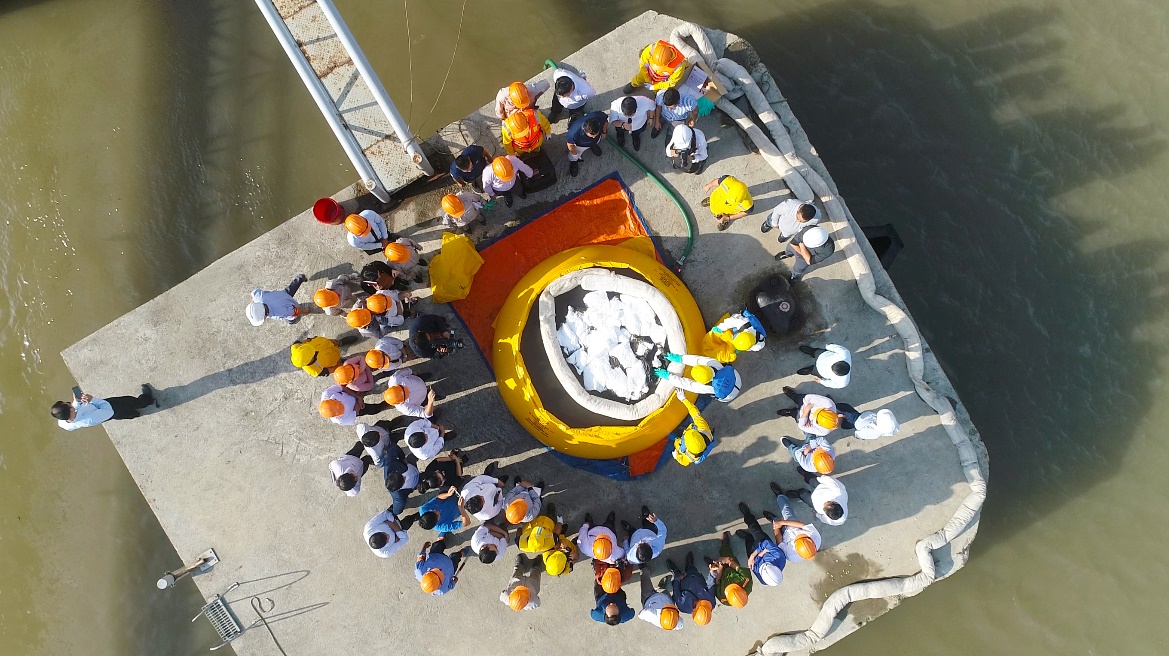
A good plan is not prepared only to complete a file. It is a document that on-site personnel can use when an incident actually occurs.