Ready before an incident occurs
For activities with environmental incident risks, rapid response depends greatly on prepared personnel, equipment, contact points and mobilization arrangements.
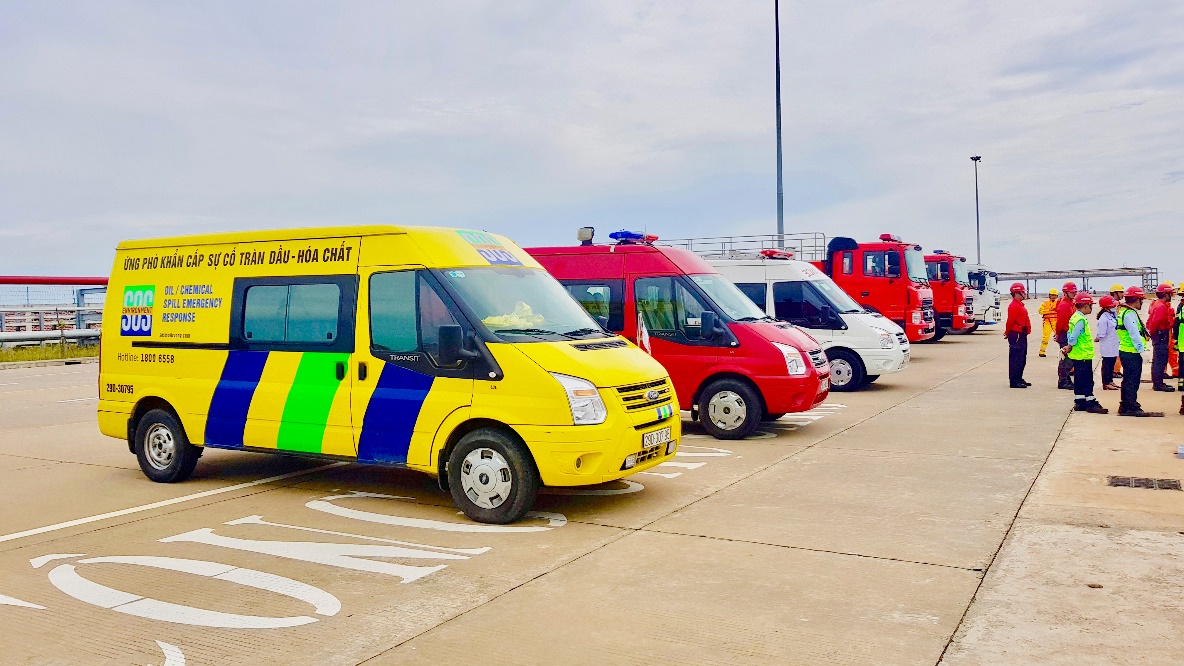
SOS standby service maintains readiness and gives organizations a mechanism to receive information, assess situations and mobilize resources when response is needed.
How standby differs from emergency response
Standby is organized before an incident occurs to maintain readiness and prepare the conditions needed for mobilization.
Emergency response begins after an incident or potentially polluting situation has occurred. It includes receiving information, assessing the situation, mobilizing forces and deploying suitable containment, recovery and treatment measures.
Process: standby → maintain readiness → receive information → mobilize forces → emergency response.

Service scope
Depending on each organization’s characteristics and requirements, SOS may coordinate:
- Surveying operations and incident risks at the facility.
- Establishing contact points and information intake procedures.
- Building notification and mobilization arrangements.
- Defining personnel, vehicle, material and equipment needs.
- Checking and maintaining readiness within the service scope.
- Coordinating training and exercises.
- Establishing the transition from standby to emergency mobilization.
Standby scope designed for each organization
Facilities do not share the same risk level or mobilization needs. Standby format, hours, support area, personnel, vehicles and mobilization conditions are defined through a survey and specific agreement.
The service may be organized on site or through SOS’s response network, depending on the agreed scope and contract requirements.
From readiness to response

When an incident occurs, an established standby mechanism shortens the time from information intake to assessment, mobilization and deployment. Organizations seeking standby support can provide their operating location, business type, incident risks, available resources and required support time or area so SOS can propose a suitable arrangement.