KHANH HOA ENHANCES OIL SPILL RESPONSE CAPACITY AND IMPLEMENTS DECISION 04/2026
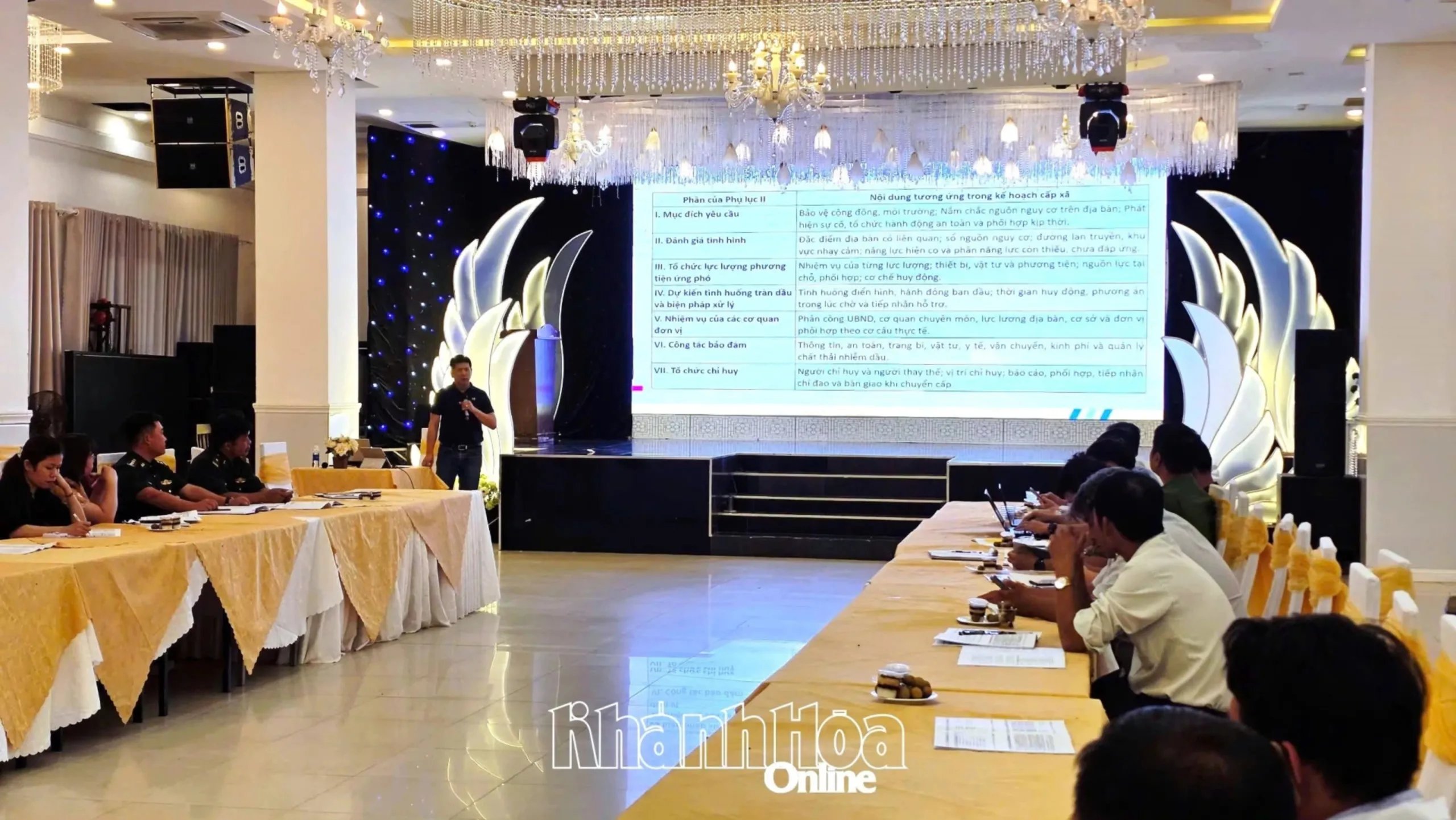
100 Delegates Attend Oil Spill Response Training
Recently, in Nha Trang Ward (Khanh Hoa Province), the Department of Agriculture and Environment in coordination with the Khanh Hoa Provincial Civil Defense Steering Committee and the Vietnam Environmental Incident Response Center organized a provincial-level training workshop on oil spill response.
The workshop was attended by 100 delegates representing relevant agencies, units, and forces, including provincial departments and sectors; commune, ward, and special zone People’s Committees; the Provincial Economic and Industrial Zones Management Board; the Nha Trang Maritime Port Authority; and various competent authorities.
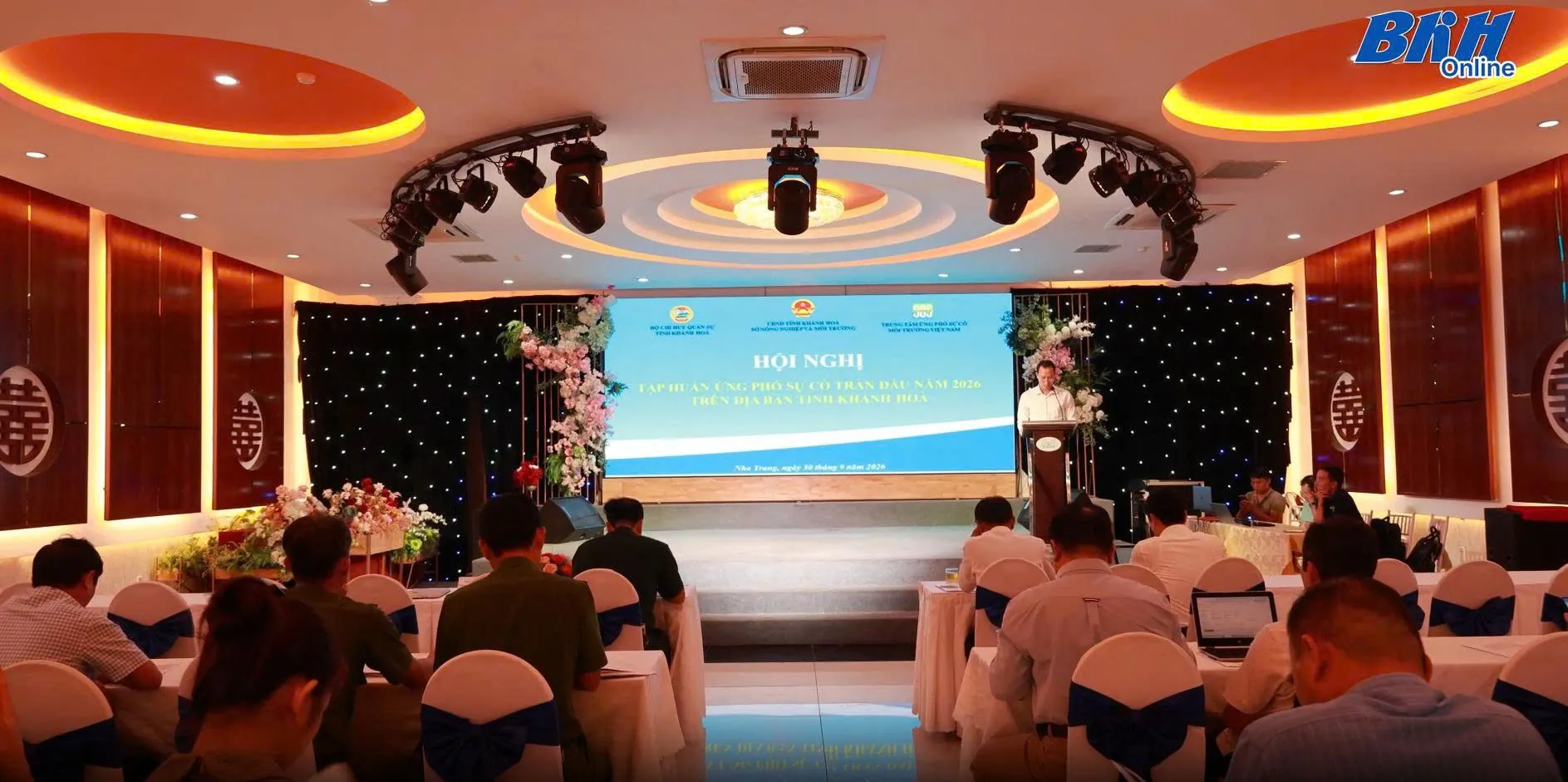
The activity took place against the backdrop of Decision No. 04/2026/QD-TTg regarding the regulations on oil spill response operations, which came into effect on February 10, 2026. These new regulations outline the guiding principles, incident severity classification, preparatory measures, response organization, remediation efforts, and the responsibilities of relevant agencies, organizations, and individuals.
From New Regulations to Specific Response Plans
A key objective of the conference was to translate the new regulations into practical application, moving beyond the mere dissemination of official documents.
Delegates were briefed on Decision No. 04/2026/QĐ-TTg, regulations concerning civil defense, and mechanisms for coordinating incident responses within the province. Additionally, they received guidance on developing, appraising, and issuing commune-level oil spill response plans, as well as appraising plans for facilities falling under commune-level approval authority.
This content holds practical significance for strengthening local response capabilities. An effective plan must not only meet legal requirements but also align with the specific risk factors, available personnel and equipment, and operational conditions of each locality.
Identifying Risk Sources and Preparing Resources
In addition to legal aspects, the program focused on a comprehensive assessment of environmental incident risks and practical management strategies. It covered risk identification, plan development, and the utilization of equipment and materials for oil spill response operations. The delegates also discussed issues arising during the implementation of the regulations, ranging from plan formulation and execution to command organization, force mobilization, equipment utilization, and coordination in handling situations.
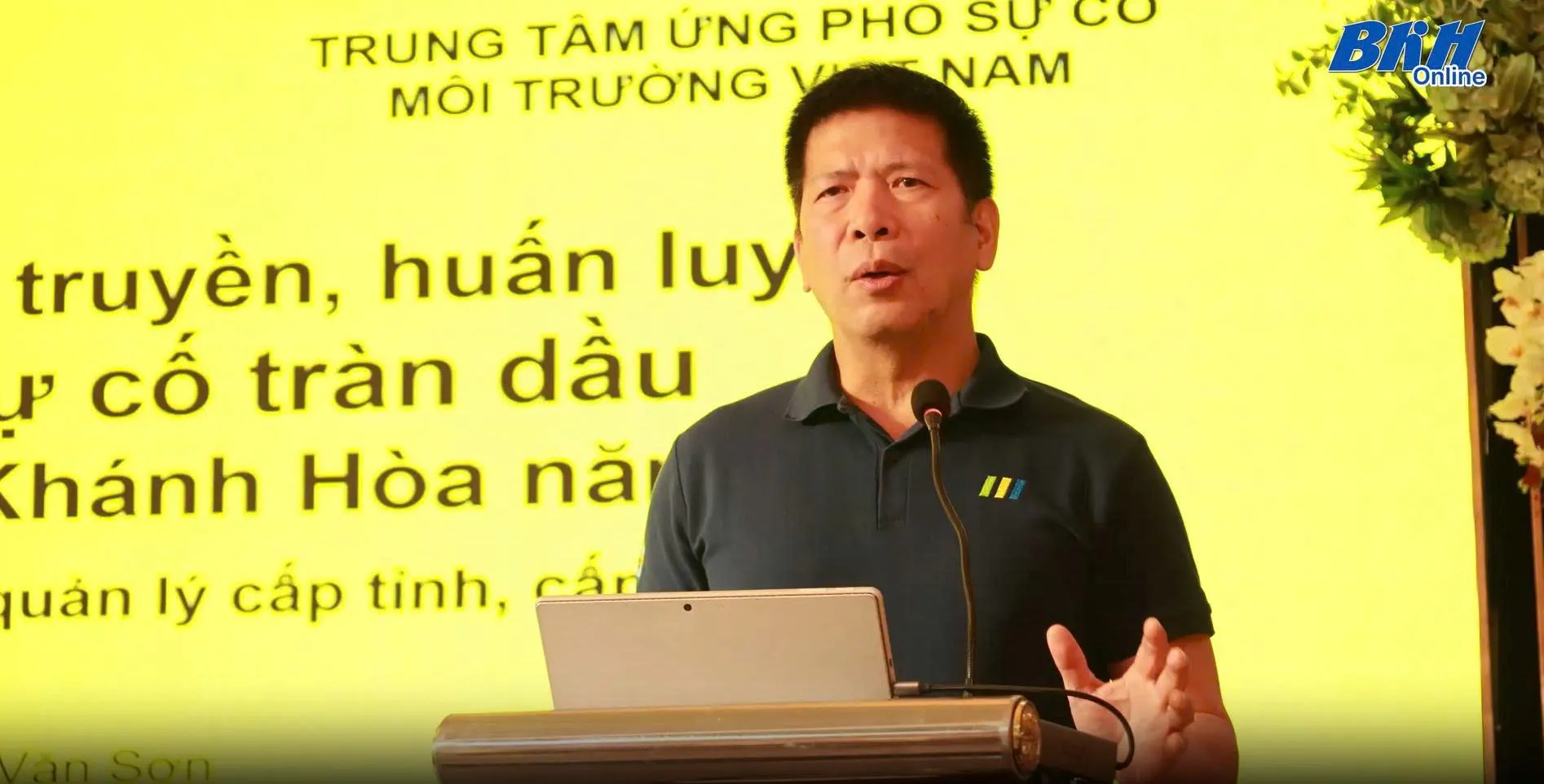
These are decisive factors when transitioning from paper-based plans to actual field response capabilities. When an incident occurs, response teams must know who is in command, where resources are to be mobilized from, which equipment is suitable, and the coordination mechanisms between units.
The Role of the SOS Center in Technical Operations
Leveraging its experience in environmental incident response, the SOS Center participates in the program by coordinating organizational efforts and sharing technical expertise regarding oil spill prevention and response.
Through training activities, the Center aims to bridge the gap between legal regulations, hazard identification, plan development, and practical implementation capabilities. This approach underpins all of SOS’s training, consulting, and incident response drill activities.
For Khanh Hoa, a locality with significant maritime and marine economic activities maintaining proactive response capabilities is crucial for mitigating risks and minimizing the impact of potential oil spills.
Advance preparation regarding plans, personnel, and equipment serves as the foundation for effectively controlling incidents should a real-world situation arise.
 Environmental news
07/11/2026
POLLUTION CONTROL AT SOURCE: AN IMPERATIVE DEMAND FROM INCIDENT RESPONSE PRACTICE
In environmental protection, remediating pollution after contaminants have widely dispersed is vastly more difficult and costly than controlling them directly at the source. Drawing from years of hands-on experience in environmental incident response, Mr. Pham Van Son – General Secretary of the Vietnam Association for Conservation of Nature and Environment (VACNE) and Director of the […]
 Environmental news
04/11/2026
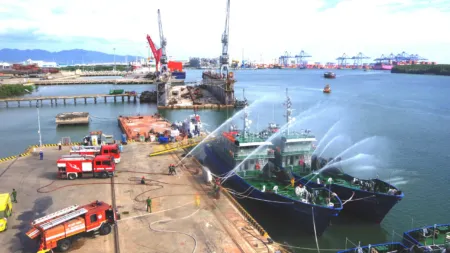
BA SON CORPORATION AND VIETNAM ENVIRONMENTAL INCIDENT RESPONSE CENTER: PROACTIVE PREVENTION AND MAINTENANCE OF OIL SPILL RESPONSE CAPABILITIES
Industrial manufacturing, ship building, ship repair, mechanical fabrication, machinery and equipment operations, as well as maritime services, all harbor inherent risks of environmental incidents, including oil spills. Given the diverse nature of its operations, ensuring safety and environmental protection remains a top priority for Ba Son Corporation throughout its production and operational management. The SOS […]
 Environmental news
03/11/2026
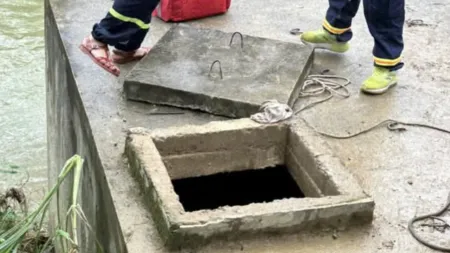
ACCIDENTS IN UNDERGROUND FUEL TANKS: THE ROLE OF OCCUPATIONAL SAFETY IN INCIDENT PREVENTION
According to information published by VnExpress, during the dismantling and installation of a vapor suction pipe at Gas Station No. 9 on Le Ngo Cat Street, one of the pipes fell into the underground fuel tank. A worker descended into the tank to retrieve the pipe and showed signs of asphyxiation. A colleague who subsequently […]