POLLUTION CONTROL AT SOURCE: AN IMPERATIVE DEMAND FROM INCIDENT RESPONSE PRACTICE
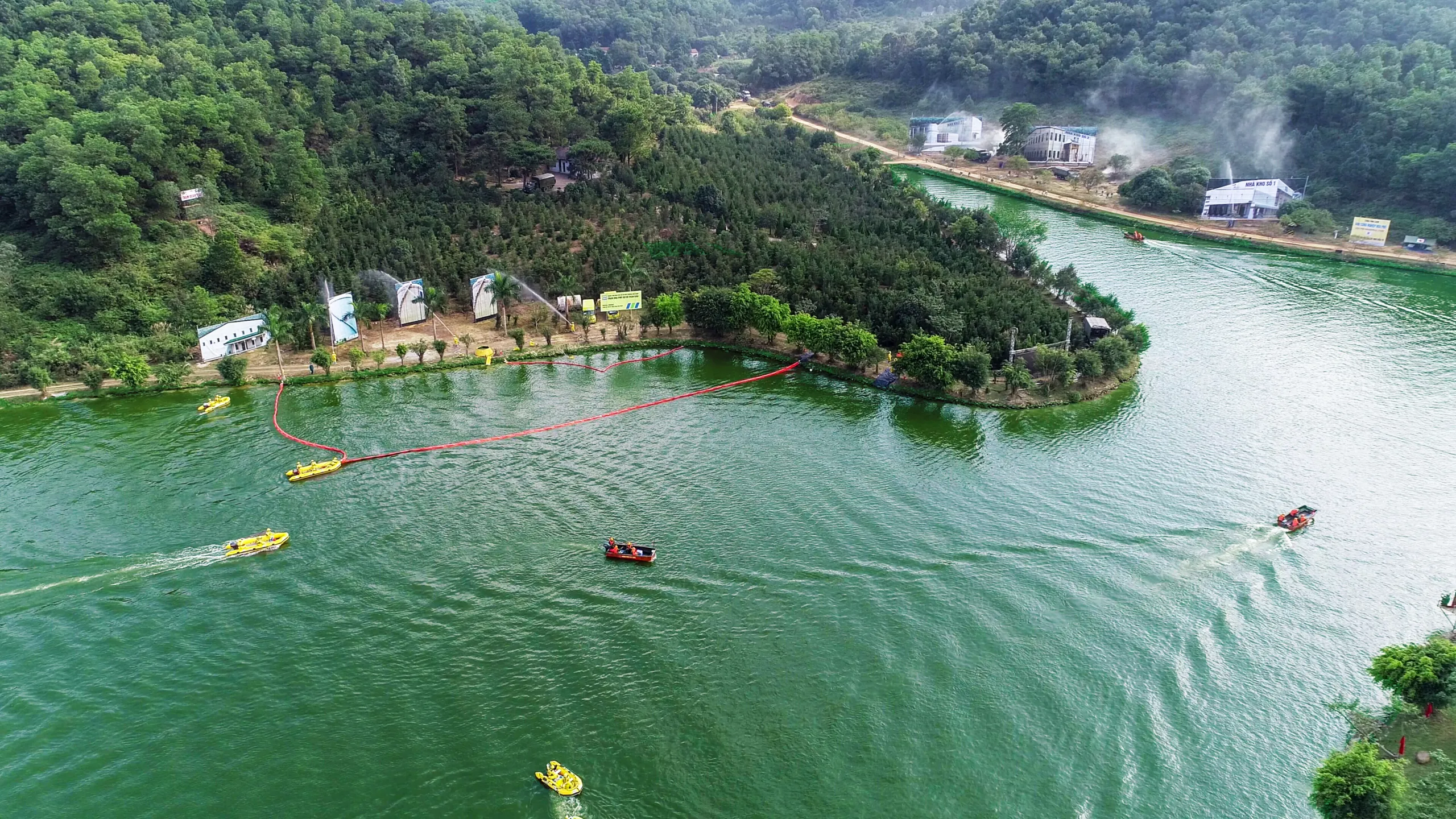
In environmental protection, remediating pollution after contaminants have widely dispersed is vastly more difficult and costly than controlling them directly at the source. Drawing from years of hands-on experience in environmental incident response, Mr. Pham Van Son – General Secretary of the Vietnam Association for Conservation of Nature and Environment (VACNE) and Director of the Vietnam Environmental Incident Response Center (SOS Center) emphasizes that pollution control mandates must be established right at the point of origin and maintained continuously along contaminant dispersion pathways.
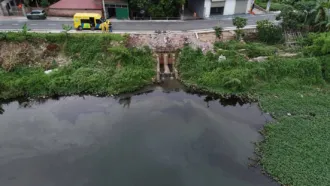
The Sea Is the Destination, but Pollution Control Must Begin on Land
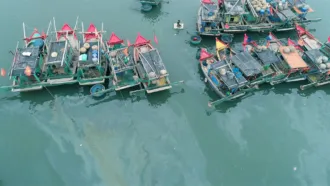
Waste oil and oily wastewater generated from routine fishing vessel operations
The Further Pollution Spreads, the Lower the Controllability
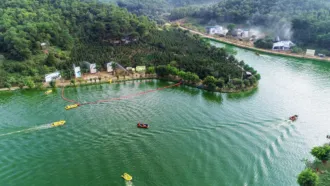
From Risk Identification to Resource Preparedness
 The sea is the final destination for aquatic flows, but marine protection must begin upstream
 Environmental news
04/11/2026
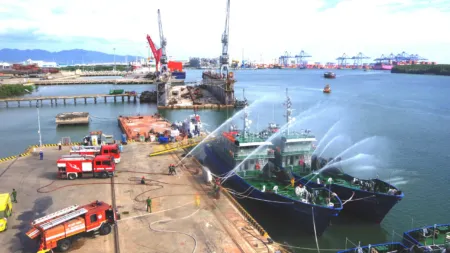
BA SON CORPORATION AND VIETNAM ENVIRONMENTAL INCIDENT RESPONSE CENTER: PROACTIVE PREVENTION AND MAINTENANCE OF OIL SPILL RESPONSE CAPABILITIES
Industrial manufacturing, ship building, ship repair, mechanical fabrication, machinery and equipment operations, as well as maritime services, all harbor inherent risks of environmental incidents, including oil spills. Given the diverse nature of its operations, ensuring safety and environmental protection remains a top priority for Ba Son Corporation throughout its production and operational management. The SOS […]
 Environmental news
03/11/2026
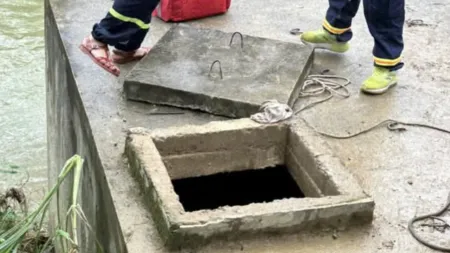
ACCIDENTS IN UNDERGROUND FUEL TANKS: THE ROLE OF OCCUPATIONAL SAFETY IN INCIDENT PREVENTION
According to information published by VnExpress, during the dismantling and installation of a vapor suction pipe at Gas Station No. 9 on Le Ngo Cat Street, one of the pipes fell into the underground fuel tank. A worker descended into the tank to retrieve the pipe and showed signs of asphyxiation. A colleague who subsequently […]
 Environmental news
02/11/2026
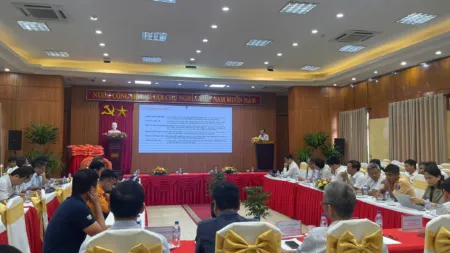
RISK IDENTIFICATION AND CAPACITY BUILDING FOR INLAND WATERWAY INCIDENT RESPONSE
On October 30, a conference on the dissemination and implementation of legislation regarding inland waterway traffic safety in the Southern region took place in Quang Ngai Province. The event gathered representatives from state management agencies, industry experts, local authorities, and enterprises operating in the inland waterway sector. Beyond core topics such as vessel management, crew […]